Gemstones · Stone education
Gemstone Cut Guide: Why Shape Is Only the Beginning
Understand how gemstone cutting balances color, light, crystal shape and a designer’s intended silhouette.
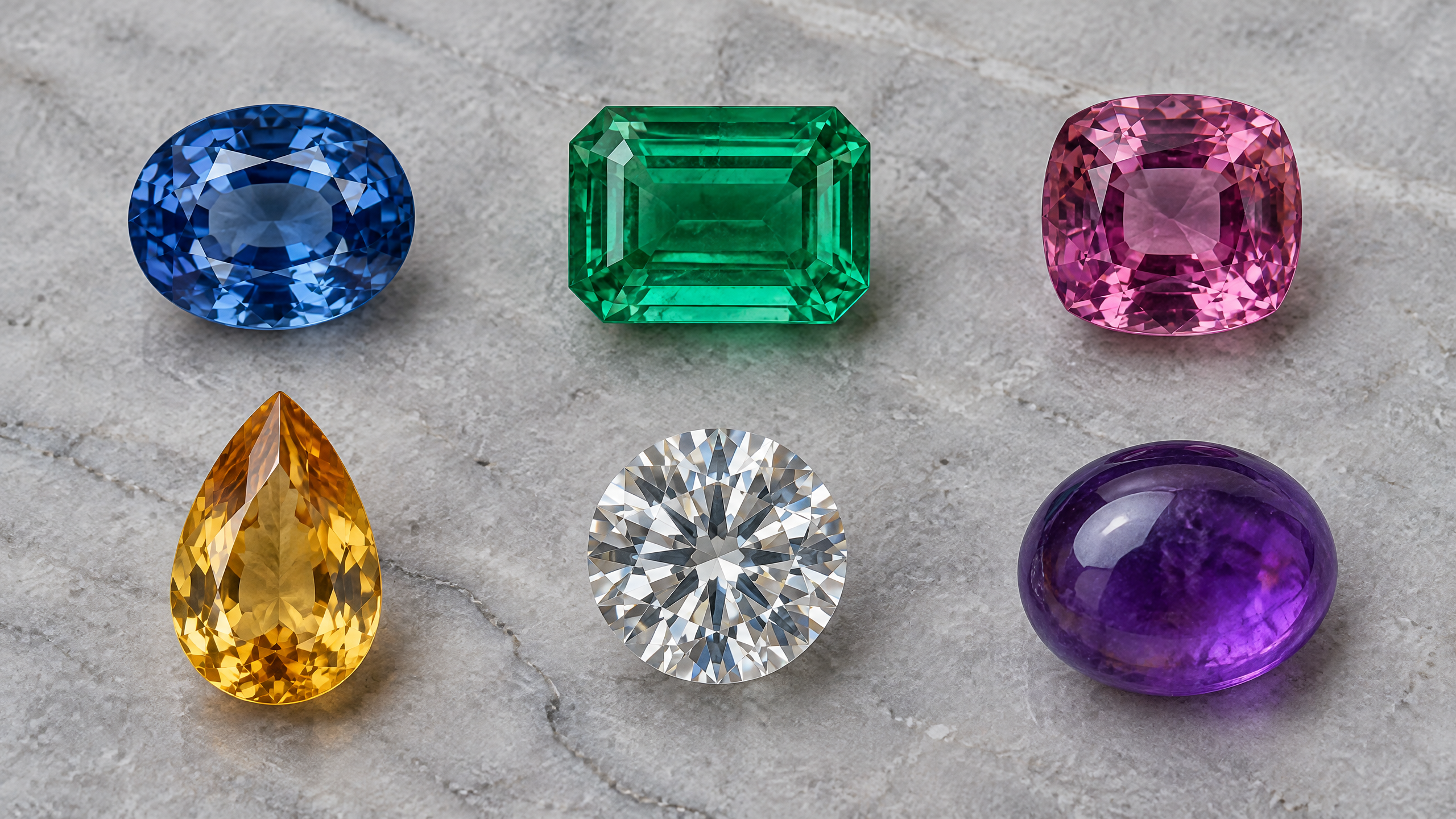
A colored gemstone cut is not simply a repeated template. Cutters work with the shape, color zoning, inclusions and optical behavior of individual rough to create the most persuasive finished stone possible.
01
Faceting can concentrate or open color
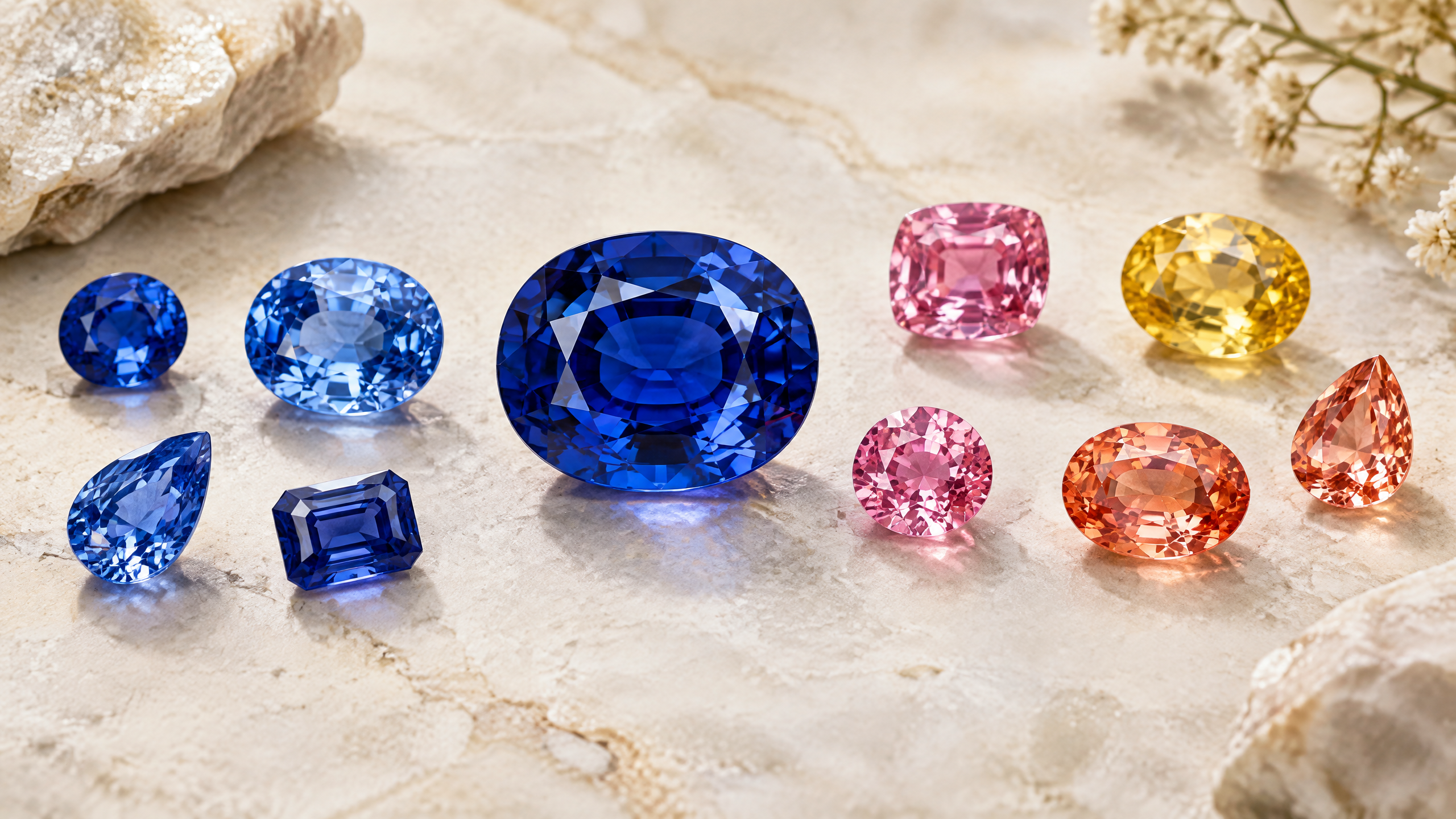
A deeper pavilion may strengthen a pale stone’s color, while a shallower approach may prevent an already dark stone from closing up. This is why two gems of similar weight can have different face-up dimensions and different visual intensity.
02
Shape establishes a visual language
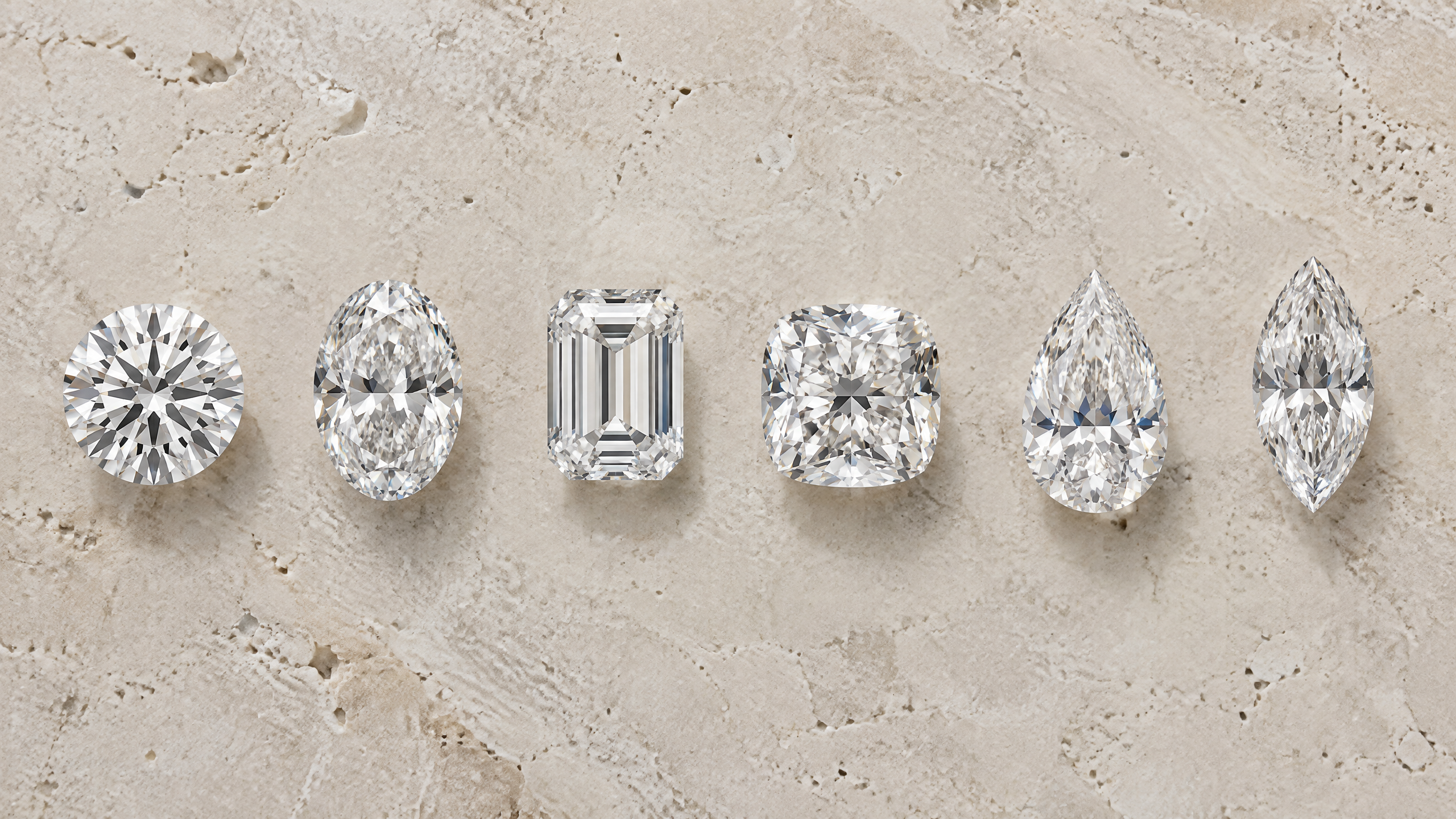
Ovals and cushions can feel soft and organic. Emerald cuts and octagons feel more architectural. Pears add direction and movement. The best shape is the one that supports both the gem’s material and the wearer’s desired mood.
03
Custom cuts can honor unusual material
Bi-color tourmaline, included quartz or asymmetrical rough may call for a nonstandard outline. A custom cut can preserve features that a standardized shape would discard, turning the stone’s individuality into the design’s central strength.
A good gemstone cut makes the material feel alive. Look for color, symmetry and proportion that work together, not a generic shape label alone.