Guides · The jewelry guide
Natural vs Lab-Grown Diamonds: How to Compare Them Thoughtfully
A balanced guide to comparing natural and lab-grown diamonds through origin, budget, documentation and design intent.
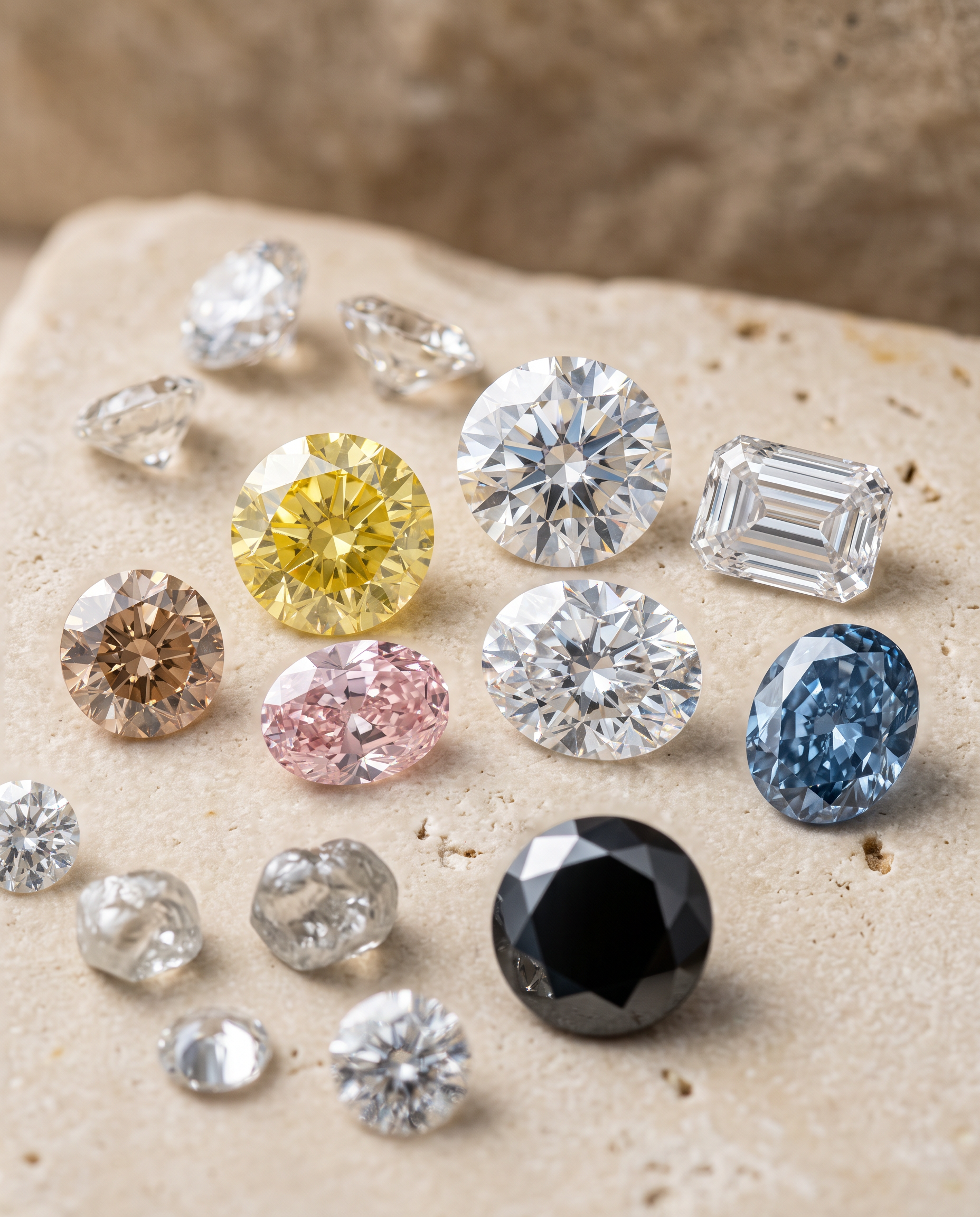
Natural and laboratory-grown diamonds share the same basic crystal structure, yet they arrive through different paths. The decision is personal and benefits from a clear conversation about provenance, appearance, budget and the role the piece will play in your life.
01
Begin with the purpose of the piece
Some clients are drawn to the geological history of a natural diamond. Others prefer to direct more budget toward size, design or a custom setting. Neither starting point is superficial; it simply sets a different priority for the project.
02
Compare documentation carefully
Request clear disclosure and an appropriate grading report for the stone you are considering. The report should identify whether a diamond is natural or laboratory-grown and describe the qualities being offered. This is important for future care, insurance and resale conversations.
03
Design remains the lasting decision
Once the stone route is chosen, return to the ring itself. Thoughtful proportions, sound craftsmanship and a setting that suits the wearer will remain visible every day, long after a specification sheet has been put away.
The most useful comparison is not a debate. It is an honest alignment between origin preference, budget, documentation and the design you want to keep.